
Personal injury cases encompass a broad spectrum, including situations where individuals are harmed due to someone else’s mistakes or intentional actions. They may arise from car accidents resulting in serious injuries, medical errors, workplace incidents, or slips and falls.
These harms aren’t just physical; they affect your emotions and finances. That’s when you truly need a reliable personal injury service Edmonton, which will ensure you get fair treatment and set things right.
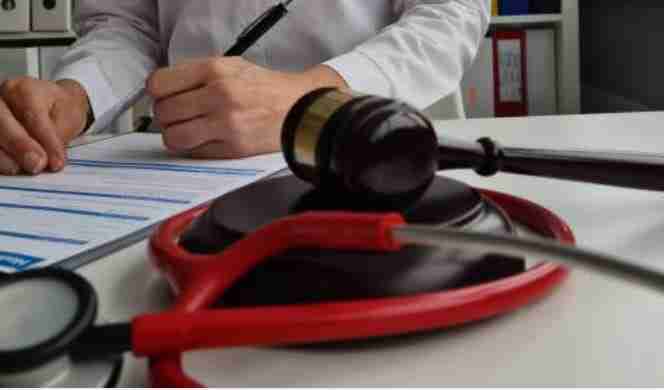
Understanding Personal Injury
Personal injury is harm or damage to an individual’s body, mind, or emotions. It can happen for various reasons, such as accidents, medical mistakes, faulty products, or another party’s negligence or intentional actions.
From the available data from Canadian courtrooms between 2004 and 2018, most cases in court for personal injuries come from car accidents (37.7%). This is followed by slip and fall injuries and miscellaneous accidents (each at 10.1%). Then, assault and battery claims (9.4%) and medical malpractice (9.4%).
In legal terms, personal injury cases allow the injured party to seek compensation for the losses and suffering they have endured.
Personal Injury Cases
Understanding your rights is important if you get hurt in an accident. You might deserve compensation for lost wages, emotional stress, and other losses.
Types of Personal Injury Cases
| Motor Vehicle Accidents | Motor vehicle accidents involve collisions between automobiles, trucks, motorcycles, and other vehicles. Injuries may include whiplash, traumatic brain injuries, or fractures. |
| Slips and Falls | Slip and fall cases occur when individuals are injured on someone else’s property due to wet floors, uneven surfaces, or poorly maintained areas. Injuries include fractures, sprains, or head injuries. |
| Bicycle Accidents | Bicycle accidents involve collisions between cyclists and vehicles or pedestrians. Injuries include broken bones, head injuries, or spinal cord injuries, and liability may vary based on traffic laws. |
| Hit and Run Incidents | Hit-and-run incidents occur when a driver involved in an accident leaves the scene without providing information. Victims may face challenges in identifying the at-fault party, impacting the pursuit of compensation. |
| Burn Injuries | Burn injuries result from exposure to fire, hot surfaces, or chemicals. Severity varies, and these cases may involve long-term medical treatment, rehabilitation, and emotional distress. |
| Pedestrian Accidents | Pedestrian accidents happen when individuals on foot are struck by vehicles. Injuries can be severe, ranging from fractures to head injuries, and determining liability is crucial for compensation. |
| Motorcycle Accidents | Motorcycle accidents involve collisions with other vehicles or obstacles. Injuries may be severe, including road rash, fractures, or head injuries. Liability assessment is essential in these cases. |
| Dog Attacks | Dog attacks involve injuries caused by bites or aggressive behaviour. Dog owners may be liable for damages, and injuries can include puncture wounds, scarring, or emotional distress. |
| Off-Road Vehicle Accidents | Off-road vehicle accidents involve ATVs, dirt bikes, or other recreational vehicles. Injuries may include fractures, spinal injuries, or head trauma. |
| Nursing Home Abuse | Nursing home abuse involves harm inflicted on residents of care facilities. This can include physical abuse, neglect, or emotional harm, necessitating legal action to protect the well-being of vulnerable individuals. |
Legal Elements
In a personal injury case, several legal elements must be established to prove that the injured party is entitled to compensation. It involves presenting evidence, witness testimonies, medical records, and other documentation to demonstrate the defendant’s negligence and the resulting harm to the plaintiff.
Legal representation is essential in navigating these complexities and ensuring that all necessary elements are addressed in pursuit of fair compensation.
These elements generally include:
- Duty of Care
- Breach of Duty
- Causation
- Damages
Statute of Limitations
In Canada, the time you have to take legal action depends on the type of case. If you don’t act within this time, you can’t sue.
For personal injury claims in most provinces, you usually have 2 years. This time starts when you find out about the injury or when you should have known. Usually, this is right after the accident. But, in cases like medical mistakes, it starts when you learn about the error. For instance, if you had surgery, felt pain later, and found out about a sponge left inside you, the time starts when you discover the sponge.
However, this two-year rule is only for adults over 19. If you’re under 19, the time limit starts when you turn 19.
Common Defenses
Common Defenses are arguments the defendant presents to counter the plaintiff’s claims. These defences aim to dispute one or more legal elements required to prove the case. Examples include:
| Comparative Negligence | Asserting that the plaintiff shares some responsibility for their injuries. |
| Assumption of Risk | Claiming the plaintiff willingly accepted the known risks. |
| Lack of Causation | Contending that the defendant’s actions did not directly cause the injuries. |
Role of Insurance Companies
The at-fault party’s insurance company becomes involved in investigating the claim, assessing liability, and negotiating settlements. Insurance companies may compensate for property damage and other losses up to the policy limits. Understanding how insurance companies operate is essential for effective negotiation and obtaining fair compensation.
Compensation and Damages
Compensation and damages refer to the financial recovery sought by the injured party. This may include:
| Lost Wages | Compensation for income lost because of the inability to work. |
| Pain and Suffering | Non-economic damages for physical and emotional distress. |
| Property Damage | Reimbursement for damage to personal belongings or vehicles. |
| Punitive Damages | Awards intended to punish the defendant for outrageous conduct. |
Preventing Personal Injuries
Preventing Personal Injuries involves taking proactive measures to reduce the risk of accidents and harm. This can include:
- Increasing awareness of safety measures and responsible behaviour.
- Regularly inspecting and addressing potential hazards in living or working spaces.
- Adhering to local safety regulations and standards.
- Using protective gear and following safety guidelines in various activities.
Legal Representation
Legal representation in a personal injury case involves hiring a lawyer to advocate for the injured party’s rights and navigate the legal process. A skilled attorney helps gather evidence, assesses the strength of the case, negotiates with insurance companies, and, if necessary, represents the client in court. They aim to secure fair compensation for the injuries and losses due to another party’s negligence or intentional actions.
Litigation Process
Navigating the legal system can be complex, involving several stages:
| Filing a Complaint | Initiating the legal process by officially filing a lawsuit. |
| Discovery | Gathering evidence through depositions, document requests, and interrogatories. |
| Negotiation | Attempting to settle with the opposing party. |
| Trial | Presenting the case in court if a settlement is not achieved. |
Client Support and Communication:
Understanding the emotional and physical toll of personal injuries, our commitment to client support includes the following:
- Keeping clients informed about case developments.
- Providing timely information on the progress of their case.
- Offering support and guidance all throughout the legal process.

Search for Trusted Personal InjuryLawyers in Edmonton
If you’ve experienced a personal injury, don’t hesitate to contact a legal law firm that provides professional personal injury service Edmonton. Seek guidance and support to ensure you receive the compensation you deserve.