
Did you have a close call on your motorcycle but walk away without a scratch? Don’t be too quick to celebrate; contact our motorcycle accident lawyers. Sidhu Personal Injury Lawyers in Edmonton specializes in cases of hidden injuries, so you get the care and compensation you need.
Motorcycle accidents aren’t just about the obvious cuts and bruises. They can leave behind invisible damages like whiplash, internal trauma, or even emotional stress. These can be just as serious and deserve the same level of care and compensation.
Key Takeaways:
- Hidden damages like whiplash, internal trauma, or psychological stress have a serious impact on your life and require proper care and compensation.
- Thorough records, including daily symptom logs, assessments, and functional evaluations, are important for proving the severity and impact.
- Experienced motorcycle accident lawyers, like Sidhu Personal Injury Lawyers Edmonton, guide you in identifying, valuing, and claiming compensation for all your injuries.
What is an ‘Invisible’ Damage?
These are injuries you might not see on the outside, but can still impact your everyday life and ability to work. Unfortunately, these kinds of injuries are overlooked by insurance companies and the at-fault party, which can lead to personal injury claim settlements that don’t fully cover your needs.
Just because an injury isn’t visible doesn’t mean it’s not serious. Recognizing this is important to get the proper care and fair compensation you deserve.
Common Types of Invisible Injuries
Not sure what an invisible injury looks like? If you’re experiencing any of the following after an accident, contact your doctor for an evaluation. After your medical exam, reach out to our law firm to help you secure the compensation you deserve.
Whiplash and Soft Tissue Injuries
During a motorcycle accident, the sudden start-and-stop movement can put a lot of stress on your neck and back. Whiplash injury happens when your head is quickly thrown forward and then snapped back, which can strain muscles and soft tissues. Initially, you might feel a bit of discomfort and ignore it, but over time, this can develop into chronic pain and limit your mobility.
Traumatic Brain Injuries (TBI) and Concussions
Even if you don’t have an obvious head injury, the impact from an accident can affect your brain. Concussions and other types of brain injuries might not show symptoms right away; sometimes, it takes hours or even days before you notice issues like headaches, memory problems, dizziness, or trouble concentrating. It’s essential to get checked out early.
Internal Bleeding and Organ Damage
Sometimes, the force of an accident can cause injuries inside your body, even if there’s no visible damage on the outside. This could mean internal bleeding, tears, or bruising of organs. If you notice unexplained abdominal pain or persistent dizziness, seek medical attention immediately, since these conditions can worsen quickly if left untreated.
Psychological Trauma
Accidents can take a toll not only on your body but also on your mind. Emotional and psychological injuries (e.g. post-traumatic stress disorder (PTSD), anxiety, or depression) are common after a traumatic event. These issues have long-lasting effects and need specialized mental health care.
Documenting Invisible Damages
When seeking compensation for injuries after an accident, certain documents must be submitted to your insurance company. After your doctor’s visit, gather the following documents to present during your claims process.
Have Your Medical Assessments
Advanced Diagnostic Imaging
For example, if there’s a suspicion of cervical ligament strain or a spinal disc injury, doctors recommend a cervical MRI. This type of imaging can uncover:
- Tiny tears or swelling in soft tissue that you can’t see from the outside.
- Small disc herniations might lead to chronic pain or nerve issues later on.
- Neurocognitive Testing
A neurocognitive test checks for traumatic brain injuries or concussions. Neuropsychological clinics offer specialized testing. This includes:
- Computerized tests that pick up on subtle changes in memory, processing speed, or reaction time.
- Comparing tests before and after the injury shows how symptoms evolve.
Functional Capacity Evaluations (FCEs)
This test measures how invisible injuries affect everyday life. An FCE includes detailed range-of-motion tests (using goniometric readings) to see if there’s reduced mobility in the neck or shoulders. Also, strength and endurance tests provide objective data on any decline in muscle function following an injury like whiplash.
Detailed Medical Documentation
Electronic Health Records (EHR)
Edmonton hospitals and clinics use EHR systems to keep track of your care. These records include:
- Time-stamped notes from initial ER visits, including vital signs and early symptom descriptions.
- Updates from follow-up tests, specialist consultations, and any changes in symptoms.
Do Your Symptom Journals and Daily Logs
It’s a good idea for you to maintain a daily log of your experiences. You can include regular pain ratings on a numerical scale to show persistent discomfort. Note how the injury affects daily activities, which can later be used to quantify economic impacts. Here’s a sample:
Symptom Journal and Daily Log
Date: April 1, 2025
Pain Rating: 8/10
Details of Symptoms:
- Persistent sharp pain in my lower back while walking or standing for more than 10 minutes.
Impact on Daily Activities:
- Could not prepare meals; had to rely on DoorDash ($10 expense).
- Required assistance for basic household chores like laundry.
Economic Impact:
- Needed to hire a cleaning service to handle household tasks ($50 expense).
Additional Notes:
Experienced interrupted sleep last night due to discomfort, resulting in fatigue throughout the day.
Expert Reports and Independent Medical Examinations (IMEs)
When additional validation is needed, our attorneys work with specialized physicians (like orthopedic surgeons or neurologists) who can offer expert opinions on your injury’s prognosis. IMEs verify the severity of the injury, especially when insurance companies question your claims.
How is Invisible Damage Valued?
| Future Treatment Costs | Rehabilitation Expenses | Covers things like regular physiotherapy sessions you might need. |
| Special Equipment | The cost of pain management medications and any assistive devices you need if the injury leads to long-term issues. | |
| Loss of Earning Capacity | Functional Capacity Assessments | Determine how a reduction in your physical abilities means fewer work hours or changes in job performance. |
| Vocational Rehabilitation Studies | Experts might look at the local job market to figure out how much your future earnings could be affected. |
How Sidhu Personal Injury Lawyers Edmonton Work With These Cases
We don’t just review your case based on the documents provided. Our lawyers take a comprehensive approach, collaborating with expert witnesses and specialists to assess the long-term impact on your future.
Working as a Team
We don’t do it alone. Our accident lawyer in Edmonton collaborates with various experts, including:
- Accident Reconstruction Specialists: These experts analyze the accident by looking at details like speed, force, and collision dynamics. They also use high-speed video analysis from local Edmonton law enforcement records to connect the accident with your injury.
- Medical Economists: These professionals use data, like local wage statistics and actuarial figures, to predict the long-term financial impact of your injuries.
Learning from Past Cases
To make sure you get a fair settlement, our Edmonton injury lawyers also review previous motorcycle accident claims from Alberta courts to provide useful benchmarks. We also examine past settlements in the area to help set a fair market value for injuries that aren’t immediately visible.
Looking Ahead
Valuing invisible damages isn’t a one-time process—it’s something that evolves over time. Sidhu Law Firm estimates how injuries like chronic neck pain or mild cognitive issues develop over the years.
- Contingency Valuation: If a traumatic brain injury (TBI) is likely to result in lasting challenges, factors like potential loss of independence and quality of life are also taken into account using proven actuarial methods.
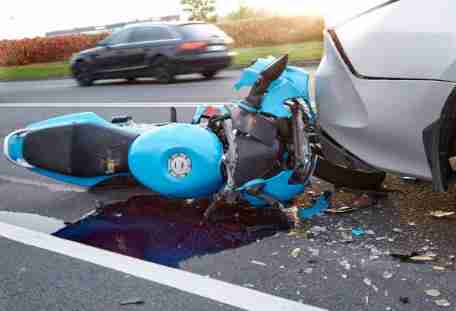
Assess Your Motorcycle Accident Injuries — Visible or Not
Sometimes, injuries aren’t immediately visible, but that doesn’t mean they should go unnoticed or uncompensated. Partnering with experienced Edmonton motorcycle accident lawyers can make a big difference. They know how to navigate the complexities and fight for the compensation you deserve.
We at Sidhu Personal Injury Lawyers Edmonton understand how overwhelming it can be for motorcycle accident victims to deal with the aftermath of an event. Reach out for a comprehensive case evaluation.
Frequently Asked Questions
How can night-time motor vehicle accidents affect the valuation of invisible injuries?
Riding at night increases the risk of subtle injuries due to reduced visibility and delayed emergency response. If a crash occurs late at night and medical care is postponed, insurers may argue that the symptoms resulted from a separate cause.
Can pre-existing conditions reduce my compensation for invisible injuries?
Not necessarily. Under Canadian personal injury law, the “thin skull rule” means that an at-fault party must compensate for all injuries, even if a pre-existing condition makes you more vulnerable. However, legal teams must distinguish between new accident-related injuries and prior conditions.
What if I don’t have immediate medical records but develop chronic pain later?
If that’s the case, maintaining a detailed symptom journal and seeking medical evaluations as soon as possible can help establish causation. Our team can use indirect evidence (e.g., work absences and activity changes) to support your personal injury cases.