
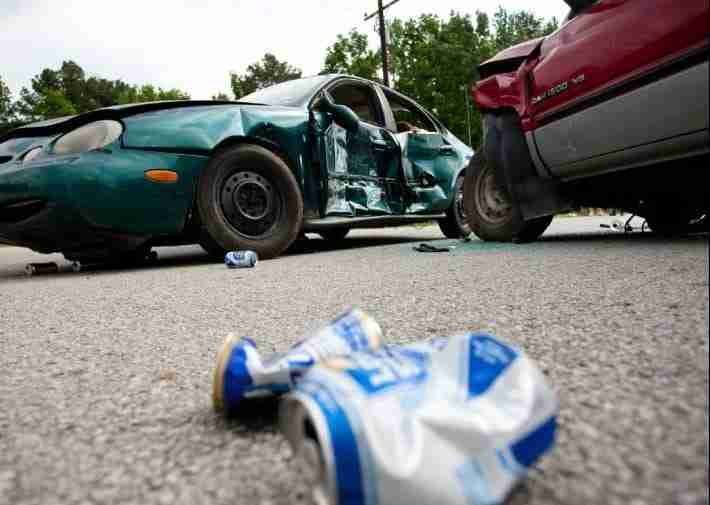
It was a tragic night on Highway 20 in Sainte-Hélène-de-Bagot, Quebec when 18-year-old Mathis Filion lost his life to a preventable act of recklessness. On March 11, 2023, 24-year-old repeat drunk driver Mathieu Veillette drove 11 kilometres in the wrong direction at 100 km/h and hit a car with five young passengers. Tragically, Mathis passed away after being ejected from the vehicle.
This real-life case underscores the devastating consequences of impaired driving. His mother, Catherine Corriveau, now advocates for stricter accountability and hopes her son’s story will serve as a stark warning: drinking and driving is not just a crime—it destroys lives.
Drunk driving remains one of the leading criminal causes of death and injury in Canada, with 70,588 incidents in 2022. To combat this, the government has implemented strict regulations to deter DUI and keep roads safe.
This blog answers frequently asked questions about Canada’s drunk driving laws, their implications, and when to look for a “drunk driving accident lawyer near me” to protect your rights.
What constitutes impaired driving in Canada?
Operating a motor vehicle while one’s ability is impaired by drugs, alcohol, or a mix of the two is known as impaired driving. The Criminal Code of Canada outlines specific thresholds for alcohol and drug concentrations.
- Note: Even without exceeding these limits, drivers showing signs of impairment at the accident scene can be charged.
For alcohol, the legal limit is a blood alcohol concentration (BAC) of 80 milligrams (mg) of alcohol per 100 millilitres (ml) of blood (0.08%). However, provincial laws may impose stricter limits (such as 0.05% BAC) under administrative penalties.
For drugs, thresholds vary depending on the substance. For example:
- THC (from cannabis): Over 2 nanograms (ng) but under 5 ng of THC per ml of blood result in a summary conviction. Levels over 5 ng can lead to a hybrid offence.
- Combination of liquor and drugs: A BAC of 50 mg combined with 2.5 ng or more of THC per ml of blood constitutes a severe hybrid offence.
Why were laws strengthened in recent years?
In 2018, Canada legalized recreational cannabis, raising concerns about drug-impaired automobiling. This prompted the government to enhance laws through Bill C-46, which introduced:
- New offences for drug-impaired operations.
- Mandatory roadside testing for alcohol and drugs.
- A modernized framework for investigating and prosecuting offences.
These changes aim to address the growing complexity of DUI, ensure consistency with international practices, and reduce the significant social and economic costs associated with it.
What are the key offences under Canada’s impaired driving laws?
Canada’s laws cover alcohol, drugs, and a combination of both. Below are the primary offences:
Alcohol-Impaired
- A BAC of 80 mg or more within two hours of vehicle operation is a criminal offence.
- Provinces may impose administrative penalties for lower BAC thresholds (e.g., 50 mg or more).
Drug-Impaired
- Having a prohibited level of impairing drugs, such as THC, cocaine, or methamphetamine, within two hours of riding is illegal.
- Penalties escalate based on drug concentrations and whether drugs are combined with alcohol.
Combination Offences
Combining alcohol (50 mg/100 ml) and drugs (2.5 ng/ml of THC or higher) results in harsher penalties due to the increased impairment risk.
What penalties do drivers face for DUI?
Penalties are severe and escalate with repeat offences or aggravating factors, such as causing injury or death. Below is an overview:
| Alcohol-Impaired | First Offence: Minimum fine of $1,000. |
| Second Offence: Minimum 30 days imprisonment. | |
| Third Offence: Minimum 120 days imprisonment. | |
| Maximum Penalty: Life imprisonment if the offence causes death. | |
| Drug-Impaired | Summary Conviction: A penalty of up to $1,000 for THC levels between 2 ng and 5 ng. |
| Hybrid Offences: Penalties mirror those of alcohol-impaired driving, depending on severity and repetition. | |
| Administrative Penalties | Immediate roadside license suspension and vehicle impoundment. |
| Enrollment in an ignition interlock program (mandatory in some provinces). |
How do police detect impaired drivers?
Law enforcement in Canada uses several tools and techniques to identify impaired drivers.
- Mandatory Alcohol Screening (MAS): Police can legally request a breath sample from any lawfully pulled-over motorist, even without probable cause. Introduced under Bill C-46, this policy has significantly improved detection rates.
- Standardized Field Sobriety Tests (SFST): These roadside tests assess coordination, balance, and cognitive function. Failure may lead to further testing.
- Drug Recognition Evaluations (DRE): Conducted by certified officers, DREs involve physical examinations and interviews to confirm substance impairment. These tests are often paired with biological fluid samples.
- Oral Fluid Drug Screeners: Portable devices detect recent use of drugs like THC or cocaine in saliva. A positive result can justify further testing, such as a blood sample.
What happens if a driver refuses a test?
Refusing to comply with a breath, blood, or oral fluid test is a criminal offence in Canada, carrying penalties equivalent to DUI convictions. These include fines, license suspension, and potential jail time.
Can medical cannabis users be arrested for DUI?
Nobody is exempt from Canada’s laws; even people with medical marijuana cards. Just as prescription medications cannot be used as a defence for impairment, medical cannabis users must ensure they are not high before operating a vehicle. The legal framework emphasizes safety over individual exemptions.
After consuming liquor or cannabis, how long should drivers wait before operating a vehicle?
There is no universal answer, as alcohol and cannabis affect individuals differently based on factors like body weight, metabolism, and tolerance. While general guidelines suggest waiting several hours, the safest approach is to avoid riding entirely if you’ve consumed liquor or drugs.
How do these accidents affect insurance claims?
DUI significantly impacts insurance claims. Insurance companies classify you as a high-risk driver if you are convicted. This may lead to significantly higher premiums. Additionally:
- Denial of Coverage: May result in your insurer denying your claim for vehicle damage or liability for injuries.
- Subrogation: Insurers may cover damages initially but can later pursue reimbursement from the impaired driver.
- Cancellation of Policy: A conviction may result in your insurance policy being cancelled or not renewed.
Drivers should also know that a criminal conviction for DUI may remain on their record for several years. This makes it difficult and expensive to secure affordable insurance in the future.
Are blood samples required in every case?
Blood samples are not required in every investigation. However, they are essential for proving the new blood drug concentration offences introduced by Bill C-46.
When police suspect a driver of exceeding the prohibited levels for drugs like THC, cocaine, or other substances, they may demand a blood sample for precise measurement. Blood tests are considered the most reliable evidence for confirming substance concentrations in the body.
Can drivers challenge the accuracy of screening results?
Drivers can challenge screening results, but the burden of proof lies with the defence. For example:
- Breathalyzers: Drivers might question the calibration or maintenance of the device.
- Drug Screeners: Arguments could focus on the scientific validity of the device or contamination of the sample.
However, Canadian courts have restricted certain defences to eliminate arguments that encourage risk-taking— such as consuming substances close to the time of driving to obscure BAC or drug levels. Know that most approved devices are rigorously tested and considered highly accurate by courts.
When should you contact an experienced car accident lawyer?
If you are involved in a drunk driving accident—whether as the at-fault driver or a victim—consulting an experienced lawyer is highly recommended. For drunk driving accident victims, a lawyer can help:
- Navigate Insurance Claims: Insurers may try to minimize payouts or dispute liability.
- Pursue Personal Injury Claim: Victims can sue drivers for compensation beyond insurance limits, such as pain and suffering, lost wages, and long-term impact (e.g. traumatic brain and spinal cord injuries).
Legal representation is essential to building a defence to ensure fair treatment during investigations, and potentially reducing penalties. Lawyers navigate civil and personal injury law to protect your rights.
How does Canada compare to other jurisdictions?
Canada’s DUI laws align with international standards, often surpassing them in strictness. For instance:
- The United Kingdom has a THC limit of 2 ng/ml of blood, similar to Canada’s precautionary approach for summary offences.
- Colorado and Washington set a 5 ng/ml limit for THC, consistent with Canada’s hybrid offence threshold.
What sets Canada apart is its comprehensive integration of alcohol and drug testing measures and its mandatory screening policies.
What technological advancements are used in detection?
The approval process for drug screening equipment in Canada involves rigorous evaluation by the Drugs and Driving Committee (DDC) of the Canadian Society of Forensic Science. Only devices that meet strict scientific standards are authorized for use.
Oral fluid drug screeners are noteworthy for their speed, accuracy, and non-invasive nature. While they cannot detect all impairing substances, they provide a reliable starting point for further investigation.
Navigate Motor Vehicle Accidents With Proper Knowledge
Canada’s drunk driving laws reflect the nation’s commitment to road safety. With stringent legal thresholds, these laws aim to reduce the devastating impact of DUI. For drivers, understanding these rules is not just a matter of compliance—it’s a matter of protecting lives on Canadian roads.
If you’ve been involved in an accident, contact Sidhu Personal Injury Lawyers Edmonton for free consultation. Our injury lawyers can answer your questions and guide you throughout the legal process. Call us today.