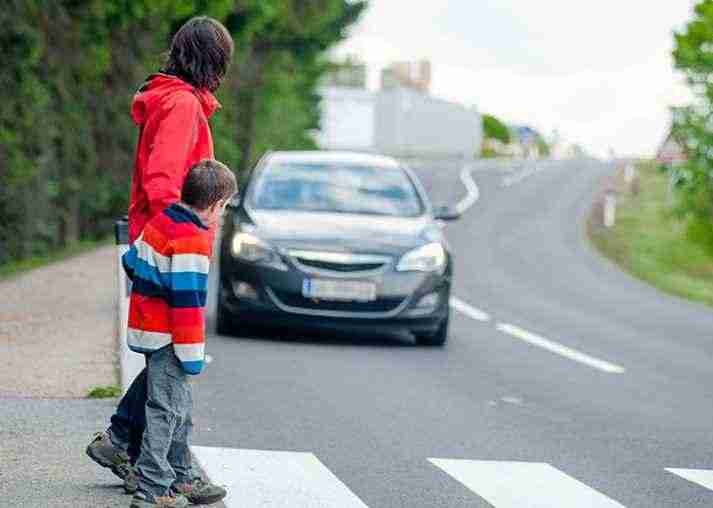
Facing a hit-and-run accident as a pedestrian can be a distressing experience – leaving you with physical injuries, emotional trauma, and mounting expenses.
In such challenging times, seeking compensation becomes crucial to cover treatment expenses, lost wages, and other damages incurred.
Accident victims can find support through competent accident lawyers Edmonton who specialize in personal injury claims. Alberta injury lawyers deal with the complexities of the legal system while securing fair compensation on behalf of their personal injury clients.
If you’ve suffered from spinal cord injuries, traumatic brain injuries, or other serious conditions due to a hit-and-run incident, understanding your rights and the legal process can greatly impact your ability to recover both physically and financially.
An experienced personal injury lawyer helps you in navigating the personal injury process and your personal injury claim.

Compensation Car Accident Victims Can Get
When you’re involved in a pedestrian-car crash, seeking compensation for the car accident injuries you sustain can confine a range of damages related to your accident. In personal injury cases, these can include:- Lost Income: Financial compensation for wages lost due to your inability to work while recovering from your car accident injuries.
- Permanent Injuries: Damages for permanent scarring, disfigurement, or physical impairments resulting from the accident.
- Emotional Distress: Addressing the psychological impact and trauma experienced as a result of the accident.
- Pain and Suffering: Substantial compensation for the physical and emotional pain endured due to the injuries sustained.
- Wrongful Death: If the accident results in the tragic loss of a loved one, damages can include compensation for wrongful death.
When Hit-and-Run Incident Caused Wrongful Deaths
Hit-and-run incidents can tragically result in fatalities. The callousness of fleeing the scene after motor vehicle accidents, especially involving pedestrians, highlights the severity of the situation. If wrongful acts of a hit-and-run driver caused the death of your loved one, Edmonton personal injury lawyers can secure fair and just compensation. Proper compensation may include:- Funeral and burial expenses
- Travel expenses for family members visiting before the death
- Loss of companionship, guidance, and care
- Projected future earnings over the course of your loved one’s life
- Household and caregiving services usually provided by the deceased
Role of The Insurance Company
A person injured in a car accident may receive financial compensation through insurance to cover various damages.Insured vs Uninsured Pedestrian
| Insurance Status | Scenario | Coverage |
| Insured | If the pedestrian has car insurance (either individually or as a dependent) |
|
| Uninsured | If the pedestrian lacks insurance |
|
What to Do at the Accident Scene
- Call Emergency Services: Immediately dial 911 to report the accident and request medical help. Prompt medical evaluation can help identify injuries, even if symptoms aren’t immediately apparent due to adrenaline.
- Gather Information: If it’s safe to do so, take these steps:
- Witness Details: Record names and contact information of any witnesses present at the scene.
- Document Damage: Take photos of the damage, including any debris or paint marks left by the vehicle.
- Note Details: Write down as much as you can remember about the vehicle and physical appearance of the negligent party.
- Report to Police: Provide a detailed account of the motor vehicle accident to law enforcement officers.
- Consider Dash Cams: A dash cam can be a proactive measure against hit-and-run incidents. These devices automatically record video from the moment a car starts, capturing crucial evidence like license plates or the driver’s actions.
How to Prove Someone Else’s Negligence
In a personal injury case from a pedestrian accident involving cars, negligence is commonly the foundation for establishing liability. This means that the accident victim must demonstrate that the other driver or someone else’s negligence caused the injuries. To support a car accident claim for your deserved compensation, you must prove the following:- Duty of Care: Drivers must practice reasonable care toward other road users, including pedestrians.
- Breach of Duty: A driver acts recklessly or negligently, leading to a car accident.
- Proximate Cause: Establish that the driver’s breach of duty caused the accident.
- Damages: Evidence of actual injuries sustained, including records, photographs, and any other relevant documentation.
Parties Potentially Liable in Car Accidents
While the primary liable party in pedestrian or motorcycle accidents is often the driver, multiple parties may share responsibility depending on the circumstances:| Multiple Drivers | In car accidents involving multiple vehicles, one or more drivers may be at fault |
| Employer Liability | If the driver was working at the time of the car accident (e.g., delivery drivers or bus drivers), their employer could share liability. |
| Government Entities | Provincial agencies can also be held liable if their employees cause a car accident while on duty |
What If a Pedestrian Shares Responsibility in a Car Accident?
In cases where a pedestrian’s actions contribute to the car accident, fault can be shared between them and the motorist—a legal concept known as contributory negligence. This division of fault determines how compensation is allocated. If a pedestrian is found partially at fault, the compensation is reduced proportionally. Despite contributory negligence, compensation remains attainable but adjusts based on responsibility. A personal injury lawyer can gather evidence and build a case to maximize entitled damages and ensure a successful settlement.The Right of Way
Street Crossing
The Motor Vehicle Act, passed in 1957, governs all users of British Columbia roads, including cyclists, pedestrians, and drivers. It grants pedestrians the right of way at crosswalks but requires them to yield to motor vehicles at other times.Parking Areas
In parking lots, drivers and pedestrians must watch out for a potential car crash. If a pedestrian is injured in a parking area or on private property, the usual rules of negligence apply: you must prove that the driver who hits you was at fault for the accident and your injuries. A personal injury lawyer can guide you in gathering the necessary evidence to support your personal injury claim.Sidewalks
Pedestrians generally have the right of way on sidewalks. If a vehicle hits you there, the driver is usually responsible for your injuries. Occasionally, a pedestrian might share some fault, especially near intersections.Real-life Car Accident Cases
MacPherson v. Campbell, 1980
Mr. MacPherson was struck by a car as he stepped on the curb after crossing the street away from an intersection right after getting out of a cab. He wasn’t completely on the sidewalk and was knocked unconscious. The court found that Mr. Campbell, the driver, was driving at a safe speed considering the slippery conditions but wasn’t paying enough attention. Mr. MacPherson was also responsible for crossing swiftly from behind a parked vehicle without looking for traffic and not using a crosswalk. Verdict: Liability was split, with 70% attributed to Mr. MacPherson and 30% to Mr. Campbell.Simpson Estate v. Cox, 2006
Mrs. Simpson, aged 81, was fatally struck by Ms. Cox’s car while crossing Fraser Avenue near her home in Sydney Mines. Although Mrs. Simpson was almost across the street, she was not using a crosswalk because there was none nearby, and she would have had to walk against traffic to reach one. While Mrs. Simpson should have checked for traffic, Ms. Cox was also expected to drive cautiously and watch for pedestrians. Verdict: The court determined that Ms. Cox was 40% responsible for the accident, with Mrs. Simpson bearing 60% of the blame.