
Determining fault is essential to resolving insurance claims and obtaining damages in personal injury accidents.
But what occurs in a vehicle accident if the parties involved deny responsibility?
In 2022, the Canadian motor vehicle fatality count rose to 1,931, a 6.0% increase from 2021 and the second-highest in the past decade. The number of serious injuries rose from 8,185 in 2021 to 8,851 in 2022.
These statistics demonstrate the importance of clear fault determination in car accidents, as unresolved disputes can hinder victims’ compensation.
Denial can lead to prolonged negotiations, legal battles, and the involvement of ‘attorneys personal injury’ when insurance companies fail to reach a settlement. This guide explores the common causes of disputes and what steps to take if no one admits responsibility.
Common Reasons for Disputed Fault
Different Perspectives on the Accident
Drivers have personal accounts of accidents. These different perspectives can make it hard to tell the crash story. Drivers may remember details supporting their events, causing conflicting blame stories.
Lack of Clear Evidence or Witnesses
Dashcam footage, traffic camera recordings, and eyewitness accounts may not always be available in many motor vehicle accidents.
- The lack of concrete proof makes incident reconstruction and fault determination difficult.
- Drivers can argue over this lack of clarity, especially if they believe they followed the law.
When multiple vehicles collide, blame determination is even more challenging. Multiple-car collisions result in conflicting claims and blame allocation. Expert analysis of the collision scene, vehicle damage, and driver behaviour is needed if multiple parties are involved.
What Steps to Take When No One Admits Fault?
Immediate action is required to safeguard your interests if no one takes responsibility for a vehicle crash.
Gather Evidence at the Scene
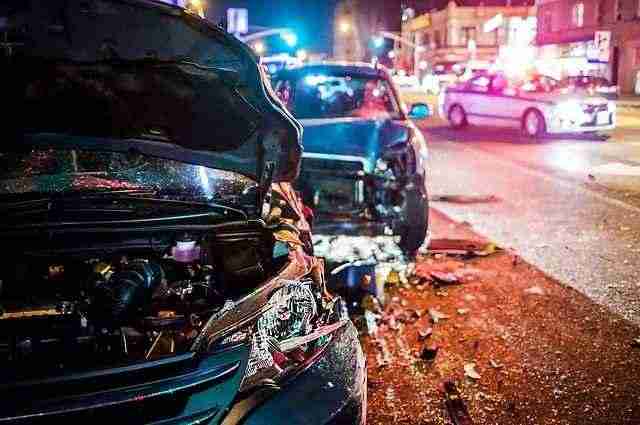
Gather as much proof as possible if an accident is disputed. Gather contact information from witnesses who can provide an impartial account. It is best to photograph:
- accident scene
- vehicle damage
- road conditions
- traffic signals
Obtain a Police Report
Police reports can help prove responsibility in disputed cases. Police reports can include observations, citations, and driver and witness statements but do not assign blame. This can help you negotiate with insurers or present your case in court.
Contact Your Insurance Company
Report the accident to your insurer immediately. Include the police report and witness statements in your evidence. Your insurer will investigate the collision to determine liability based on evidence.
Consult an Edmonton Injury Lawyer
If the blame is disputed and insurance claims are complicated, immediately consult injury lawyers in Edmonton. We can help you negotiate, represent your interests, and advise you on your legal options if the case goes to court.
How Insurance Companies Handle Disputed Fault
Insurance companies assess claims, determine liability, and negotiate settlements, making them essential to disputes and personal injury cases. When no one admits guilt, insurers proceed as follows:
Investigation of the Motor Vehicle Accident
Insurance companies will look into the details on their own when motorcycle accidents occur.
- Proof Assessment: They examine police reports, driver statements, photos, and videos.
- Expert Analysis: If the investigation results are unclear, the insurance company can seek the opinion of accident reconstruction specialists.
Determination of Blame and Liability
Insurers will decide who is responsible and assign blame after completing the investigation. The outcome could be a total denial of car accident claims, an admission of liability by all parties involved, or a finding that one party was entirely at lapse.
Possible Outcomes of Disputed Cases
| Outcome | Details |
| Shared Fault |
|
| Settlement Agreements |
|
| Denial of Claims |
|
After exhausting all other avenues of resolution with the insurance company, an injury victim may have to resort to legal action to settle the disputed liability.
Legal Options When No One Admits Liability
Filing a Lawsuit
Filing a lawsuit might be the sole option to settle a dispute when blame is in question.
- An experienced personal injury lawyer can gather more evidence, consult experts, and argue in court to strengthen your case.
- A judge or jury can decide who is guilty and how much money should be awarded in a lawsuit for fair compensation.
Mediation and Arbitration
Mediation and arbitration can resolve disputes without court. Mediation aims to help the disputing parties agree with the help of an impartial third party. Formal arbitration involves an arbitrator reviewing evidence and making a binding fault and damages decision.
Court Procedures
If mediation and arbitration fail, the court hears the case. During personal injury litigation, each side presents its case, calls witnesses, and presents proof. Following this, the Alberta court will reach a final verdict, which might lead to:
- joint culpability
- complete liability assignment
- no resolution if more evidence is needed
Discussion on Potential Outcomes of Legal Disputes Over Fault
Shared Liability (Comparative or Contributory Negligence)
The percentage of responsibility assigned to each party determines their compensation under this system.
- Comparative Negligence. Parties’ responsibility percentages determine compensation. This method allows parties to recover damages even if they are partially to blame (in some jurisdictions, no more than 50% or 51%).
- Contributory Negligence. This stricter approach bars parties even 1% at blame from receiving compensation.
Full Fault Assignment (Sole Liability)
The court assigns complete responsibility to one party if the evidence clearly shows they caused the accident.
- Driving under the influence, running a red light, or distracted driving usually results in an entire liability assignment.
- The claimant must prove that the defendant’s conduct fell below reasonable care.
- An entirely responsible party may be liable for all damages, including catastrophic injuries, property damage, lost wages, pain and suffering, and future care.
No Resolution (Hung Jury or Inconclusive Evidence)
Sometimes, legal disputes end without a verdict, especially if the evidence is inconclusive. This can happen if neither party presents enough proof to prove their claims or defences.
- Hung Jury or Judicial Stalemate. A civil mistrial occurs when a jury cannot agree on fault. A judge may also rule that the evidence is insufficient to determine guilt, leaving the case unresolved.
- Implications for Insurance and Legal Action. Insurance companies may not pay motor vehicle accident claims, for example, without a liability determination. This can lead to appeals, settlement negotiations, or retrials.
Real-Life Case: Li v. Yellow Cab Company of California
In the Li v. Yellow Cab case, the plaintiff (Li) was attempting a left turn as the driver of the yellow cab raced through the intersection. Neither party admitted fault, and both blamed the other for the accident.
Claims
- Driver A (Li): Claimed the cab driver was speeding and they were making a legal left turn.
- Driver B (Yellow Cab): Suggested that Li’s reckless left turn was the cause of the accident.
Outcome
The court found both parties partially responsible under California comparative negligence law. This landmark decision eliminated the “all-or-nothing” contributory negligence rule and allowed damages to be split by parties.
Case Analysis: The case established how courts use comparative negligence to determine liability when no one admits guilt.
Reach Out To A Reliable Personal Injury Law Firm
Resolving fatal accidents when no one admits responsibility can be complex and contentious. Understanding the causes of disputed faults, how to proceed with the legal process, and your options can guide you in determining fault.
Sidhu Personal Injury Lawyers Edmonton can assist you in developing a strategy for your personal injury claim. We offer legal representation to help you get a fair result in negotiation, mediation, or court.